
Engineering industrial and infrastructure systems for what comes next
Zerbon analyzes existing and new systems, identifies the right technologies, and turns them into operational industrial infrastructure.
Energy, industry, electronics and technical supply are aligned within one practical engineering framework.
Transition is not a future issue;
it is an operational priority today
Energy costs, resource use and production complexity are now direct engineering challenges. Zerbon turns these challenges into executable projects.

Energy Transition
Renewable energy, hybrid systems, storage and energy optimization designed as part of operational infrastructure.

Electronics & Control Systems
Electronics, control logic and monitoring layers that make systems measurable, connected and manageable.

Industrial Transition
Production modernization, operational visibility and continuous improvement.
From strategy to field execution
Modernization requires more than a decision. It requires assessment, design, supplier alignment, integration and commissioning.
Zerbon makes that path technically clear, executable and measurable.
The engineering layers behind real transition
Energy, industry, electronics, infrastructure and technical supply combine differently in every project. Zerbon builds the right combination.
Lower dependency, stronger energy performance
Zerbon develops renewable, hybrid and optimized energy infrastructure for facilities, production environments and operational assets.
- Renewable energy and solar infrastructure
- Hybrid power and energy storage
- Energy optimization and system design
- AC/DC EV charging stations and power infrastructure
- Dynamic load management, solar and battery storage integration
Measurable, connected and controllable systems
Electronics is more than a component layer. It makes machines, processes and infrastructure visible, manageable and continuously improvable.
- Embedded electronics and control boards
- IoT devices, sensors and monitoring
- Data acquisition and SCADA integration
Production systems designed to keep improving
Modernization, automation, operational visibility and continuous improvement are addressed together across factories and process environments.
- Production line modernization and retrofit engineering
- Process visibility and traceability
- Automation and performance improvement
Infrastructure ready for future operations
Facilities, utility systems, water infrastructure and operational environments must become more resilient, efficient and resource-aware.
- Facilities and utility systems
- Water and HVAC infrastructure
- Resource efficiency and resilience
The right technology, aligned with the right system
Zerbon treats technical supply not simply as purchasing, but as an engineering process involving technology, scope, supplier and field compatibility.
- Technical supplier assessment
- Specification, scope and technology alignment
- Global sourcing and local integration
Assess. Design.
Integrate. Execute. Improve.
Understand the system, define the path, align the technologies and turn the plan into a working operational layer.

Read the system
Energy use, production flow, infrastructure limitations, supply risks and operational constraints are assessed together.
Engineer the path
Energy, electronics, infrastructure and supply decisions are aligned around the required operational outcome.

Make it work in the field
Lower input, stronger control, reliable execution and measurable performance.
Where systems-level engineering creates operational value
From energy systems and production infrastructure to electronic control layers and technical supply, our approach applies across different operational environments.
Energy Systems
Renewable energy, hybrid power, storage and operational energy architecture.
Factory Operations
Production modernization, automation integration and operational visibility.
Electronics & Monitoring
Control boards, sensors, IoT, monitoring and data acquisition.
Infrastructure Systems
Water, HVAC, facilities, utility systems and resource-intensive operations.
Technical Supply & Integration
Global technology, supplier alignment and local execution.
Electric Vehicle Charging Systems
AC/DC charging stations, site and power infrastructure, dynamic load management, solar and battery storage integration.
From the current system
to stronger operations
Transition is not simply about adding new technology. The goal is to make the system more visible, controllable, efficient and executable.
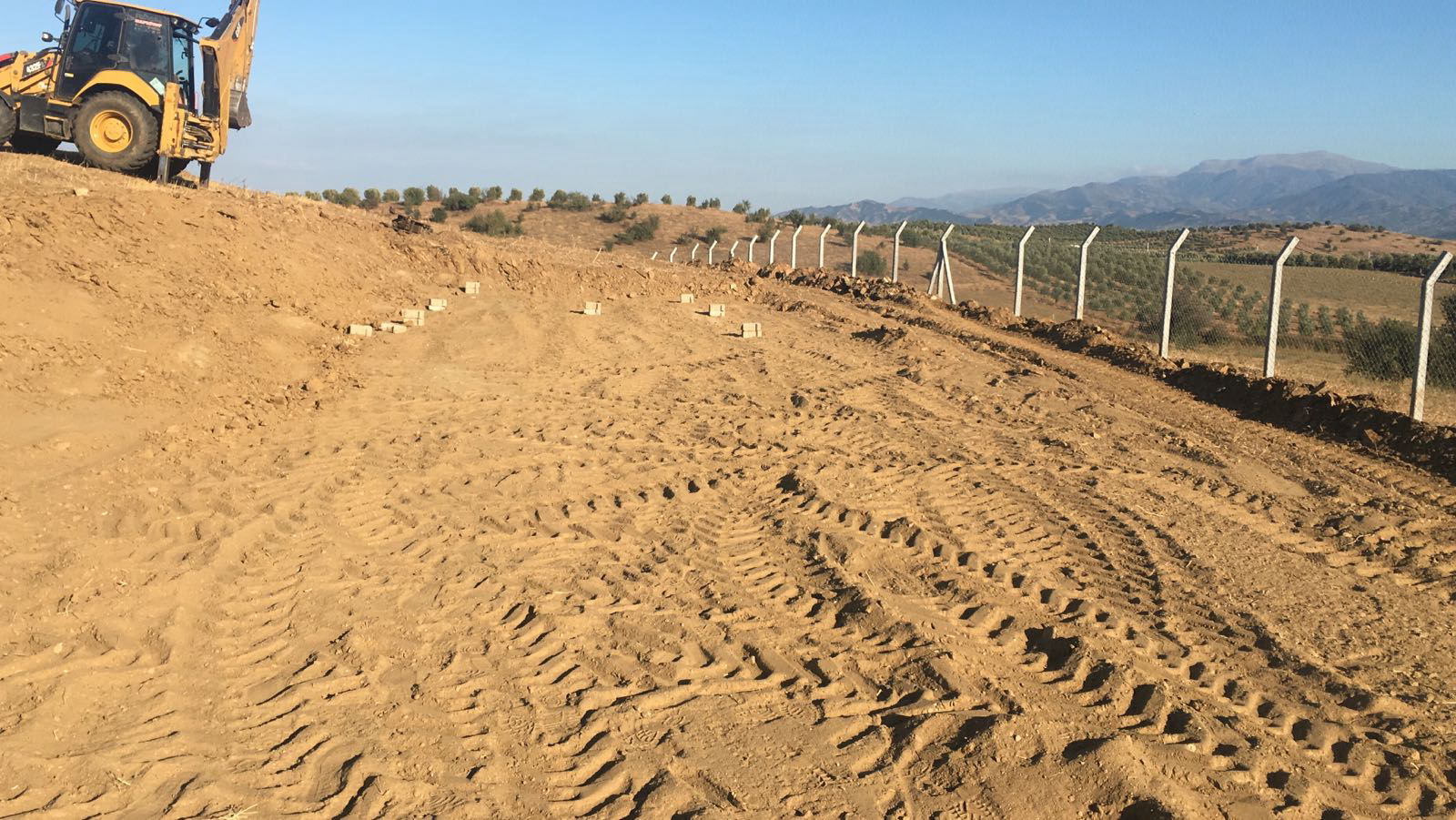
Energy as a cost center
Energy is consumed reactively, with limited control over dependency and operational value.
- High dependency
- Limited control
- Unclear energy logic
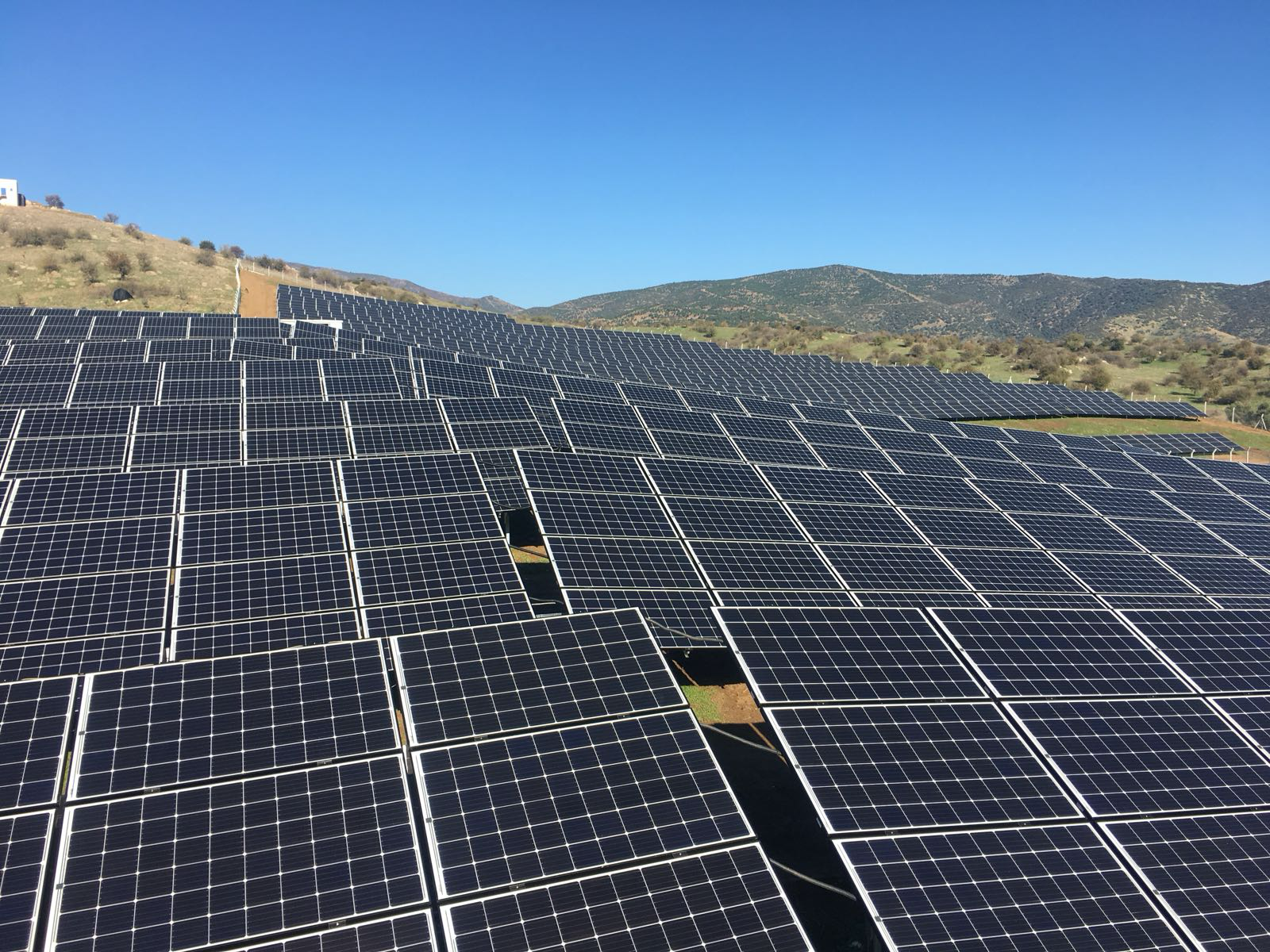
Energy as infrastructure
Renewable and optimized energy systems become part of the operational architecture.
- Lower dependency
- Operational power strategy
- Measurable performance
Low-visibility production
Machines operate, but performance and losses remain difficult to see.
- Manual monitoring
- Hidden losses
- Reactive decisions
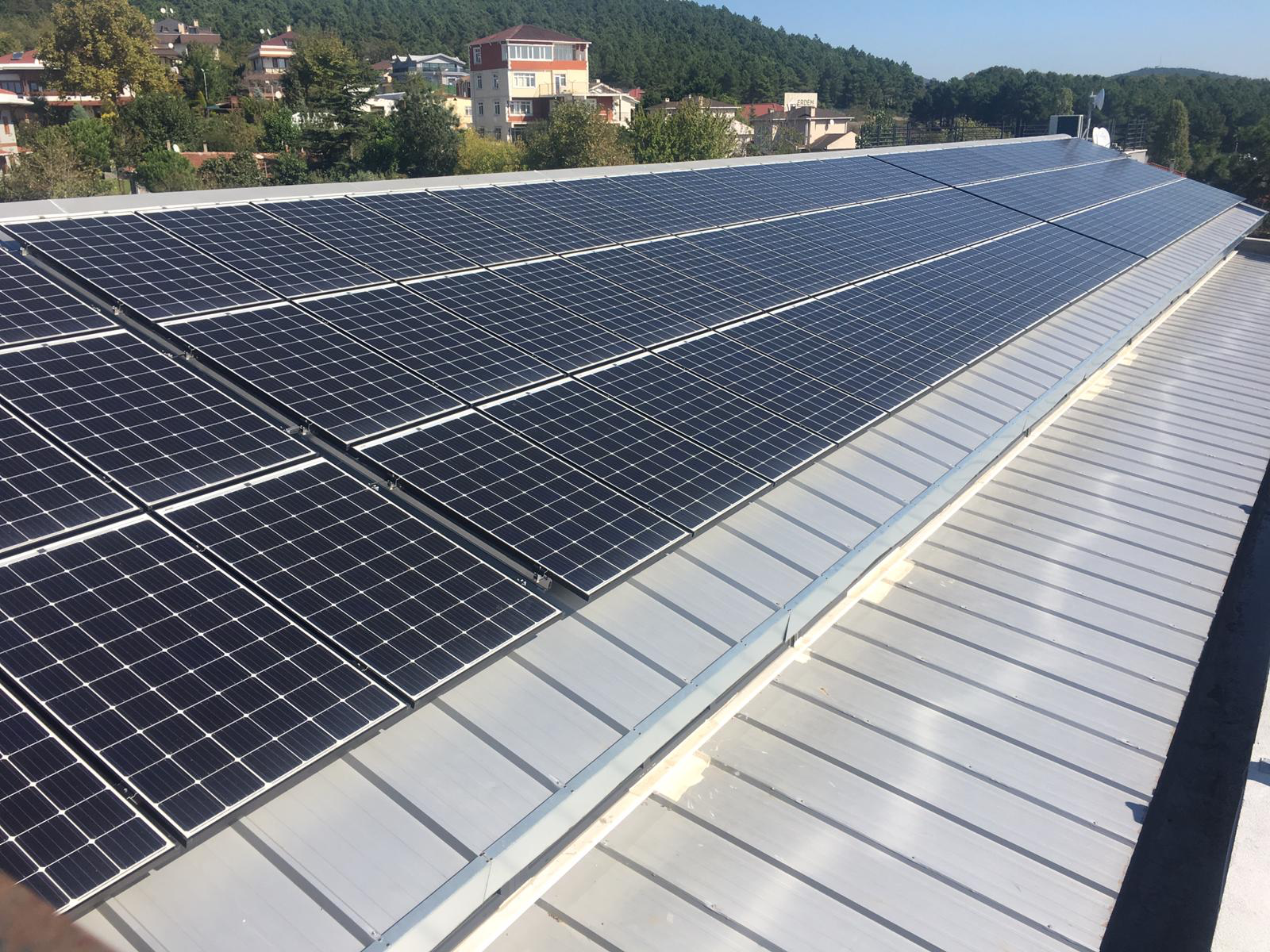
Visible, improvable production
Monitoring and automation turn production into a continuously improving system.
- Process visibility
- Continuous improvement
- Stronger control
Disconnected control points
Data exists, but integrated control and decision logic are missing.
- Device-level data
- Limited integration
- Low response capability
Integrated control architecture
Electronics, sensors and monitoring layers make the system measurable and connected.
- Embedded control
- Monitoring logic
- Operational response
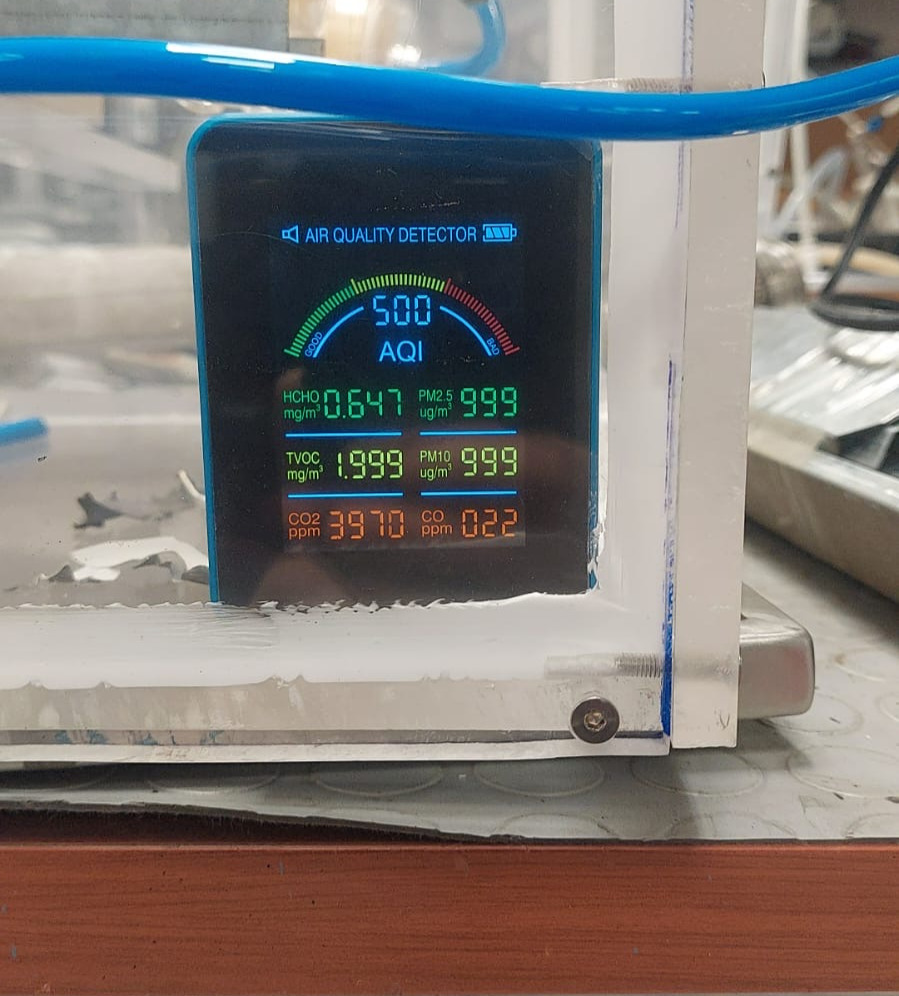
Resource-intensive operations
Water, energy and material flows are managed as separate systems.
- Fragmented systems
- Hidden losses
- Weak resource logic
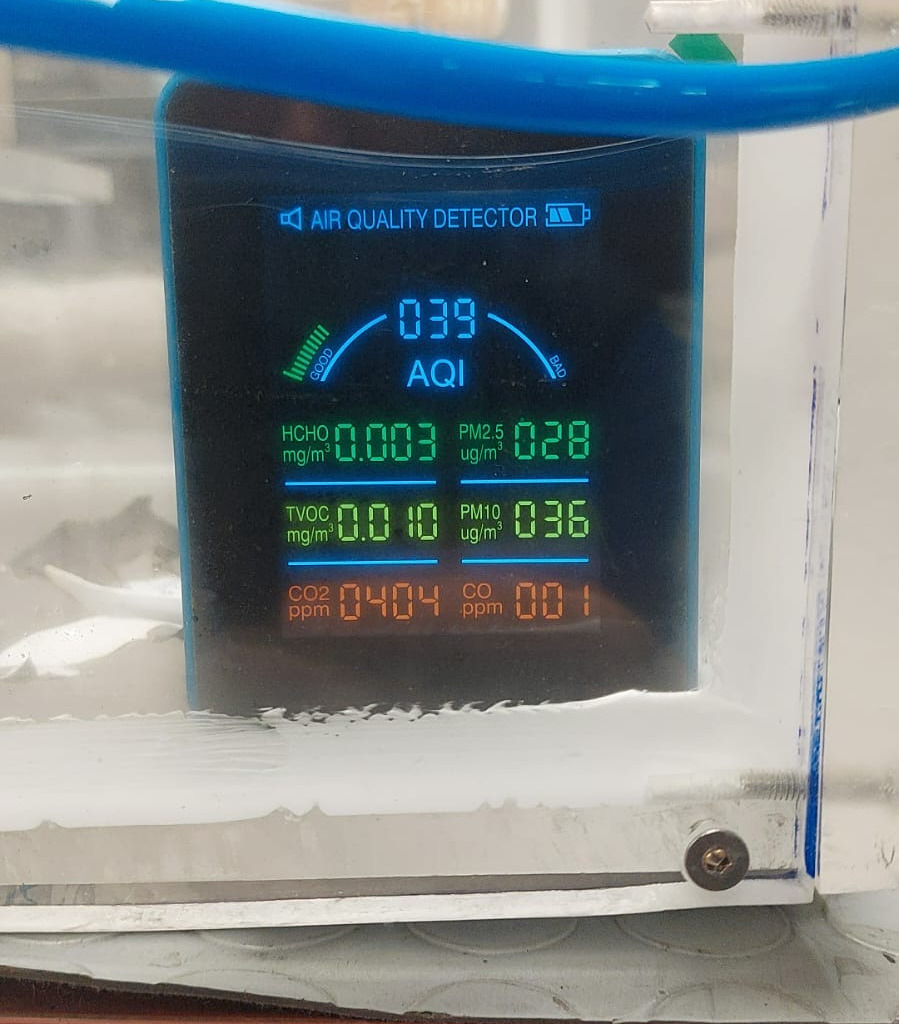
Resource-aware infrastructure
The system is designed for lower input, better resource use and stronger operations.
- Water and energy logic
- Lower-impact operations
- Resilient infrastructure

Technically misaligned purchasing
Technology selection becomes limited to price, availability and catalogue data.
- Unclear specifications
- Supplier mismatch
- Execution risk

Engineering-led technical supply
Technology, scope and local execution are aligned within one project logic.
- Technology fit
- Defined scope
- Local execution
Browse the transformation scenarios.
Technology, supply and execution within one project logic
Zerbon aligns technologies and suppliers not only by catalogue specifications, but by the required system outcome.
Energy & Infrastructure
Renewable systems, power infrastructure, utilities and operational energy architecture.
Industrial Modernization
Production improvement, monitoring, automation and performance development.
Technical Supply & Integration
Global sourcing, technical assessment and local implementation coordination.
EV Charging Infrastructure
AC/DC charging solutions, transformer and distribution capacity, dynamic load management, and integration with solar energy and battery storage.
Engineering insight for better technical decisions
Technical resources for decision-makers working on energy transition, industrial infrastructure, modernization and technical supply.
What Is Transition Engineering?
How existing systems are assessed and converted into executable transition projects.
Energy SystemsEnergy Transition for Factories
How renewable energy, storage, load management and energy optimization can be integrated into factory operations.
Industrial InfrastructureIndustrial Infrastructure Assessment
A systems-level assessment of energy, water, HVAC, automation and operational bottlenecks.
Technical SupplyTechnical Supply and Integration
How technology, specifications, suppliers and field compatibility should be evaluated together.
Before proposing a solution, we ask the right questions
Technology-independent, measurable and field-oriented engineering decisions.
Assess First
Technology is not selected before the system and objective are understood.
Technology Independent
Solutions are selected by need and performance, not by brand.
Lifecycle Thinking
CAPEX, OPEX, maintenance and supply risk are considered together.
Measurable Performance
Improvement should be visible, measurable and reportable.
Execution Focus
Engineering creates value when it becomes a working system.
Experience across disciplines.
Applied in the real world.
We bring together hands-on experience across energy, industrial systems, electronics and technical supply within one engineering approach.
Energy Projects
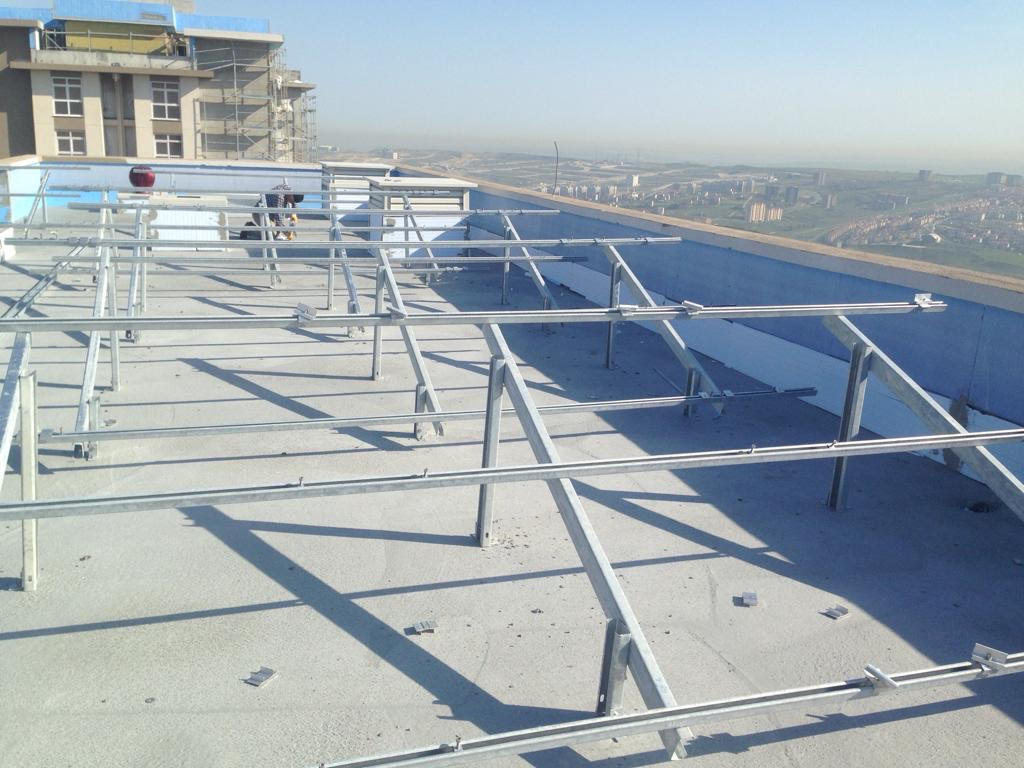
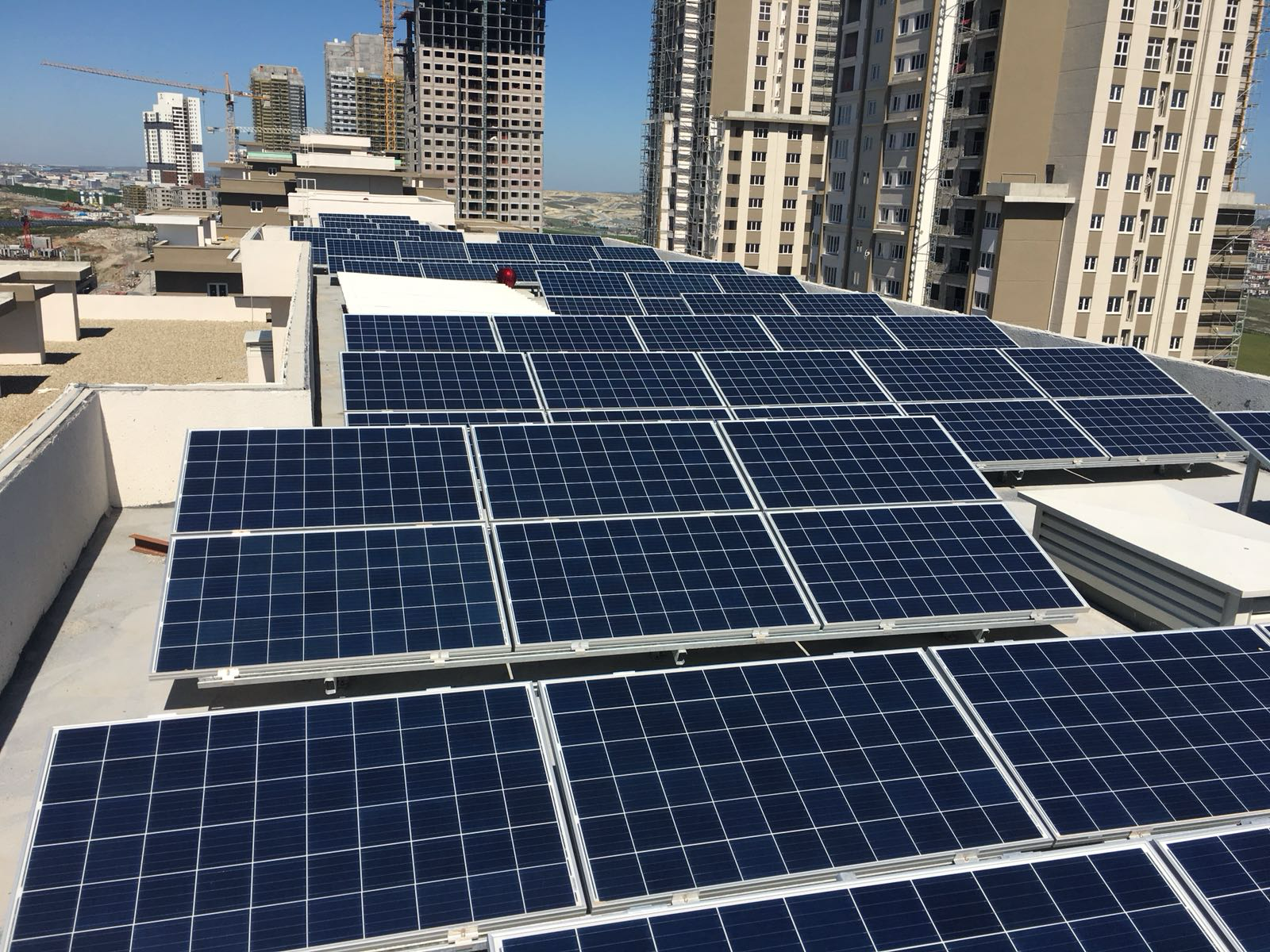
Engineering experience across utility-scale and commercial solar projects, including design, feasibility, technical procurement, EPC operations and commissioning.
Industrial & Medical
Experience in quality-critical production environments, including technical procurement, equipment assessment, supplier coordination and system components.
Electronic Systems
Technical assessment, sourcing and integration of PCBA, sensors, embedded systems, IoT and control infrastructure.
Technical Supply & Business Development
Evaluation and technical alignment of international manufacturers and technology networks, connecting them with Türkiye-based projects and applications.
Where should the transition begin?
Start by understanding the system.
Share your energy, production, infrastructure, electronics or technical supply challenge. We assess the current situation, identify technical opportunities and define an executable engineering path.